Cosmetic Packaging Materials: Glass, Plastic, and Metal
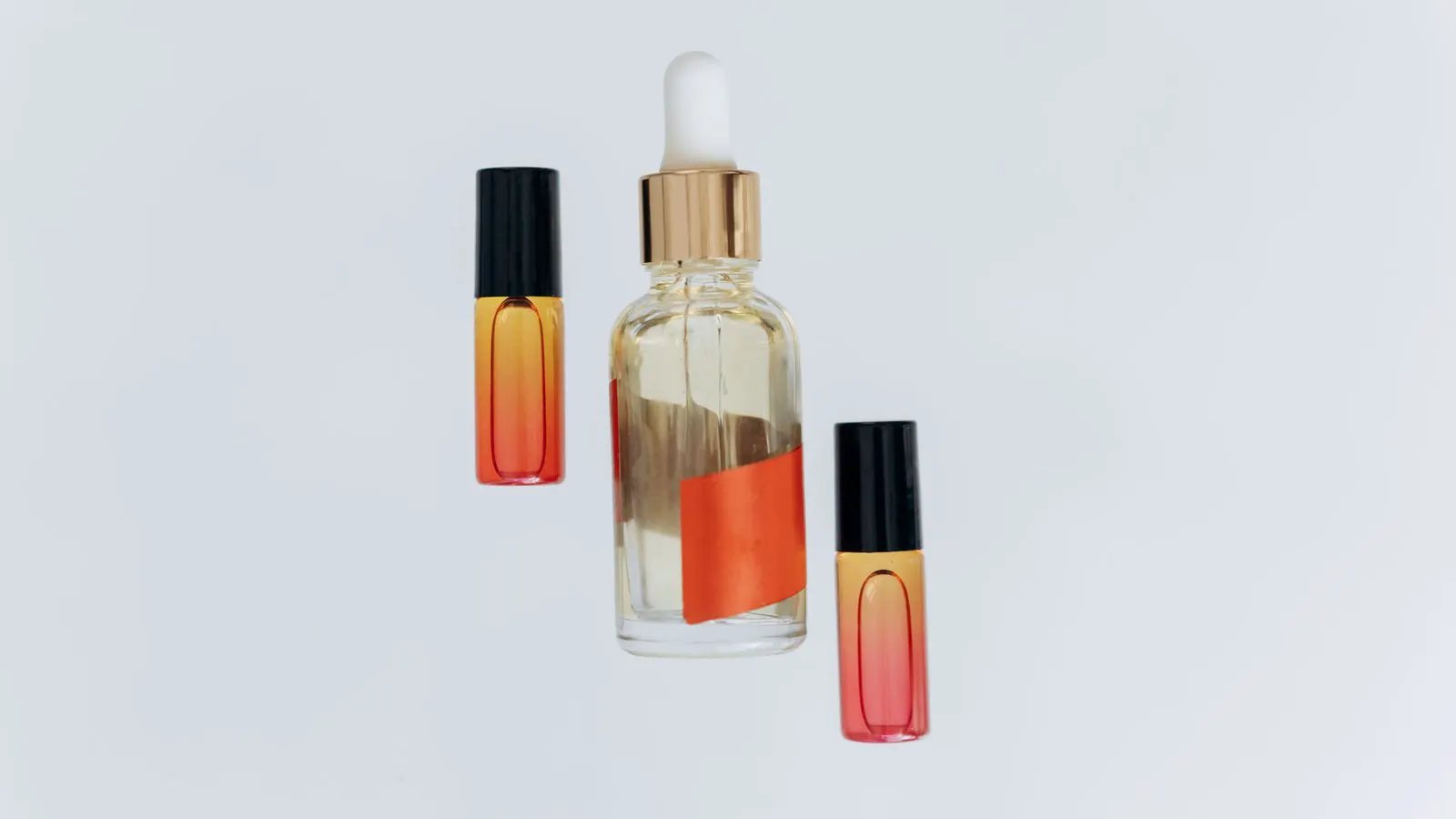
Cosmetic packaging choices depend on function, safety, and cost. Glass offers stability and luxury. Plastic provides weight and flexibility. Metal delivers durability and opacity. Each material changes sourcing, shipping, and compliance requirements differently.
- Glass packaging offers stability and a premium feel but adds weight and increases breakage risk during transport.
- Plastic packaging reduces shipping costs and allows complex shapes, though material compatibility must be verified for active ingredients.
- Metal packaging provides high opacity and durability, making it useful for light-sensitive products and airless systems.
- Bottle selection directly affects packaging materials choices, shipping costs, and regulatory documentation for active ingredients.
Why material choice matters in sourcing
Cosmetic packaging is more than a container. It is the first physical point of contact between a product and a consumer, and it is a regulated component of the final formulation. The material selected for a bottle or jar determines weight, shipping cost, shelf life, and the type of testing a buyer must commission.
Sourcing decisions begin with the material. A buyer specifying a glass bottle is committing to a different supply chain than one specifying a plastic bottle. The differences affect lead times, cost per unit, and the documentation needed for regulatory filings.
How glass packaging functions in cosmetics
Glass is a non-porous, chemically stable material. It does not react with water, alcohol, acids, or most cosmetic ingredients. This stability makes glass suitable for serums, toners, and products containing active ingredients that may degrade over time.
The primary advantage of glass is protection. It blocks light when colored or when paired with a secondary container, and it does not absorb volatile compounds. This matters for products containing essential oils, vitamin C, or other sensitive actives.
The primary disadvantage is weight. Glass is dense. A 100 ml glass bottle weighs significantly more than an equivalent plastic bottle. This weight increases shipping costs and reduces the number of units that fit in a pallet. Breakage is also a concern. Glass requires careful packing and may need secondary protection during long transit.
Glass also limits design flexibility. Complex shapes, thin walls, and transparent structures are possible, but the material is less forgiving than plastic during molding. A buyer specifying glass should expect a longer tooling process and higher per-unit costs for small or custom shapes.
How plastic packaging functions in cosmetics
Plastic is the most widely used material in cosmetic packaging. It is lightweight, moldable, and available in many forms. The most common plastics for cosmetics are PET, HDPE, PP, and PC. Each has different properties.
PET is transparent, lightweight, and resistant to impact. It is common for water bottles, shampoo bottles, and pump bottles. HDPE is opaque and durable, often used for lotion and cream containers. PP is flexible and resistant to heat, common in children’s products and pump systems. PC offers clarity and strength but has faced scrutiny in some markets due to regulatory concerns.
The primary advantage of plastic is weight. A plastic bottle can be a fraction of the weight of a glass equivalent. This reduces shipping costs and allows more units per pallet. Plastic also allows complex shapes, colors, and surface finishes. A buyer can specify ribbed textures, soft-touch coatings, or integrated dispensing systems without changing the material.
The primary disadvantage is material compatibility. Not all plastics are suitable for all ingredients. Some active ingredients can migrate out of or into plastic surfaces over time. A buyer must verify compatibility with the manufacturer. This is especially true for products containing high concentrations of alcohol, essential oils, or vitamin C.
Plastic packaging also raises environmental concerns. Many buyers and consumers now expect recyclability or refillable options. A buyer specifying plastic should ask about the resin type, whether it is recyclable, and whether the supplier can provide documentation for sustainability claims.
How metal packaging functions in cosmetics
Metal packaging is less common in everyday cosmetic bottles but appears in specific applications. Aluminum and tin-plated steel are the most common types. Metal is opaque, durable, and resistant to impact.
The primary advantage of metal is opacity. Light-sensitive products, such as some retinoids or vitamin formulations, benefit from metal containers that block light completely. Metal is also used in airless pump systems, where the barrier properties of the material help protect the product from oxygen exposure.
The primary disadvantage is cost. Metal containers, especially those with custom shapes or coatings, are more expensive per unit than plastic or standard glass. The finishing process, which may involve anodizing, painting, or plating, adds to the cost and lead time.
Metal also has specific compatibility requirements. Some ingredients can react with metal surfaces, causing discoloration or degradation. A buyer must verify compatibility with the specific alloy and finish. Aluminum, for example, can react with acidic ingredients if not properly coated.
Bottle selection and sourcing decisions
Bottle selection is a sourcing decision, not just a design choice. The material chosen affects the supplier base, the quality checks required, and the regulatory documentation needed.
A buyer selecting glass should expect a supplier who specializes in glass manufacturing. These suppliers often have longer tooling times and higher minimum order quantities. The buyer should also plan for breakage in shipping and consider secondary packaging.
A buyer selecting plastic should focus on resin compatibility and environmental claims. The supplier should be able to provide certificates of analysis for the resin and documentation for any coatings or inks used. The buyer should also verify that the plastic is suitable for the specific formulation.
A buyer selecting metal should focus on coating compatibility and finish durability. The supplier should be able to provide documentation for the metal alloy and the finish process. The buyer should also verify that the metal is suitable for the specific formulation.
Regulatory and compliance considerations
Packaging materials are regulated in most markets. The material must be compatible with the product and must not release harmful substances. This is especially true for ingredients that come into direct contact with the skin or mouth.
A buyer must ensure that the packaging material complies with the regulations of the target market. This may involve testing for migration, leaching, or heavy metals. The supplier should be able to provide documentation that supports these claims.
The buyer should also consider the end-of-life of the packaging. Many markets have regulations on recycling, disposal, or take-back programs. A buyer specifying plastic should ask about the recyclability of the resin and the inks used. A buyer specifying glass should ask about the type of glass and whether it is recyclable.
A buyer specifying metal should ask about the coating and whether it is safe for the intended use. The supplier should provide documentation that supports the safety of the finish.
Practical example: choosing a serum bottle
A buyer is sourcing a vitamin C serum for a mid-size brand. The formulation contains 15 percent vitamin C and 10 percent ferulic acid. Both ingredients are light-sensitive and can degrade over time.
The buyer considers three options. A 100 ml glass bottle provides good protection and a premium feel. The weight is manageable for a 100 ml size, but the cost per unit is higher, and breakage is a concern.
A 100 ml PET bottle with a UV-filtering coating is lighter and cheaper. The coating blocks UV light, but the buyer must verify that the PET is compatible with the high concentration of vitamin C. The supplier provides a compatibility report, confirming that the PET does not leach or absorb the active ingredients.
A 100 ml aluminum bottle with an airless pump system offers the best protection. The metal blocks light and oxygen, and the airless pump reduces exposure to air. The cost per unit is higher, and the lead time is longer. The buyer must verify that the aluminum coating is compatible with the acidic formulation.
The buyer chooses the aluminum bottle. The higher cost is justified by the product sensitivity and the brand positioning. The supplier provides documentation for the coating and the airless pump system. The buyer commissions migration testing to confirm compliance before launch.
Common mistakes in material selection
A common mistake is choosing a material based on appearance alone. A beautiful glass bottle may not be practical for a heavy cream, and a lightweight plastic bottle may not be suitable for a light-sensitive serum.
Another mistake is ignoring shipping costs. A plastic bottle that saves money per unit may cost more in shipping if the weight is not considered. A buyer should calculate the total cost of goods, including packaging, shipping, and handling.
A third mistake is skipping compatibility testing. A buyer should never assume that a material is compatible with a formulation. The supplier should be able to provide documentation, and the buyer should verify it independently.
A fourth mistake is overlooking environmental claims. A buyer should not make sustainability claims without documentation. A plastic bottle that is not recyclable cannot be marketed as such. A buyer should verify the recyclability of the resin and the inks used.
How to evaluate packaging suppliers
When evaluating packaging suppliers, a buyer should focus on three areas: material quality, documentation, and communication.
Material quality is the first concern. The supplier should be able to provide samples of the material and the finish. The buyer should test the samples with the formulation to verify compatibility.
Documentation is the second concern. The supplier should be able to provide certificates of analysis, compatibility reports, and regulatory documentation. The buyer should verify that the documentation supports the claims made in marketing and labeling.
Communication is the third concern. The supplier should be able to answer technical questions and provide clear timelines. The buyer should verify that the supplier can meet the production schedule and that the packaging will be available when needed.
A buyer should also consider the supplier’s location. A local supplier may offer shorter lead times and lower shipping costs. A supplier in another region may offer lower per-unit costs but longer lead times and higher shipping costs. The buyer should weigh these factors and choose the option that best fits the overall sourcing strategy.
Final thoughts on material selection
Cosmetic packaging material selection is a balancing act. The buyer must consider function, cost, regulatory compliance, and brand positioning. Glass, plastic, and metal each have distinct advantages and disadvantages.
Glass offers stability and a premium feel. Plastic offers weight savings and design flexibility. Metal offers durability and opacity. The right choice depends on the product, the market, and the brand goals.
A buyer should start with the formulation. The ingredients determine the material requirements. The material requirements determine the supplier and the cost. The cost and supplier determine the final product.
By understanding the functional and regulatory differences between common cosmetic packaging materials, a buyer can make informed sourcing decisions that support the product, the brand, and the consumer.
Frequently asked questions
What is the difference between cosmetic packaging and packaging materials?
Cosmetic packaging refers to the complete container system, including the bottle, cap, and labeling. Packaging materials refer to the specific substances used to make those components, such as glass, plastic, or metal.
How does bottle selection affect shipping costs?
Bottle selection affects shipping costs through weight and volume. Heavier or larger bottles increase shipping costs and reduce the number of units that fit in a pallet. Lighter bottles reduce shipping costs and allow more units per pallet.
Can glass be recycled?
Yes, glass can be recycled. The type of glass and the presence of coatings or inks can affect recyclability. A buyer should verify that the glass is recyclable in the target market.
Are all plastics safe for cosmetic formulations?
No, not all plastics are safe for all formulations. Some ingredients can react with or migrate into plastic surfaces. A buyer should verify compatibility with the supplier and commission testing if needed.
How do I choose the right metal finish for a cosmetic container?
The right metal finish depends on the formulation and the brand. Some finishes are more resistant to acidic ingredients than others. A buyer should verify compatibility with the supplier and test samples before production.