Makeup & Color Cosmetics
Lipstick Manufacturing Cost Structure and Lead Times
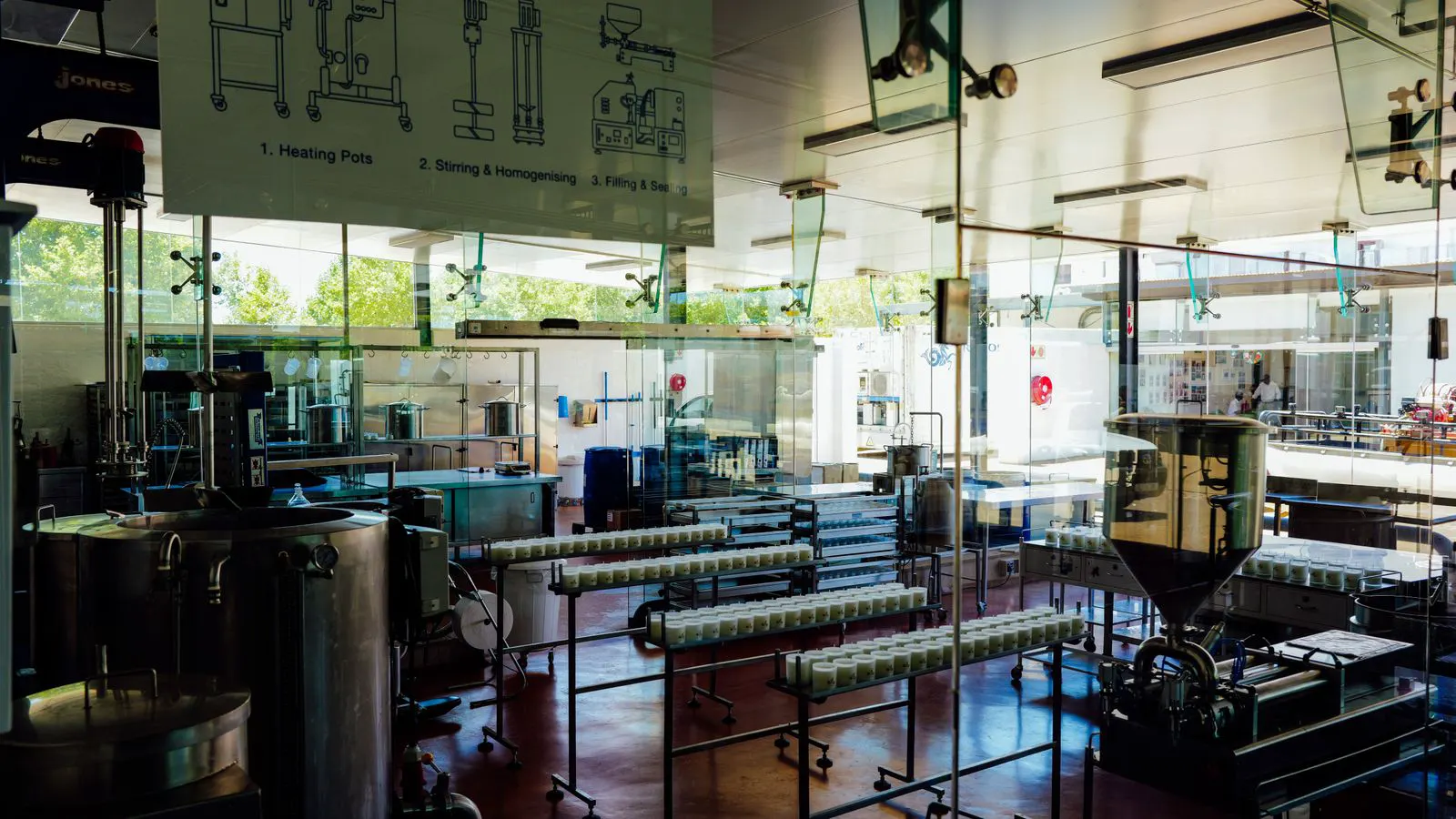
Lipstick production costs depend on raw materials, manufacturing labor, packaging, and compliance testing. Lead times vary based on customization, minimum order
Practical guidance for sourcing cosmetics manufacturing partners.
Start with the stage of the sourcing process you are in.
Learn about skincare product development, formulation types, and production processes for creams, serums, and moisturizers.
Explore the production of makeup items, including foundations, lip products, and powders, with details on quality and safety standards.
Understand common cosmetic ingredients, their functions, and formulation principles used in creating safe and effective products.
Discover packaging options, material choices, and labeling requirements to ensure your cosmetic products meet market and regulatory needs.
Review key regulatory frameworks, certification processes, and compliance steps for selling cosmetic products in various global markets.
Get practical insights into cosmetic manufacturing costs, minimum order quantities, and budget planning for new product launches.
Learn how to evaluate and select a reliable cosmetic OEM or ODM partner based on expertise, facilities, and communication.
Lipstick production costs depend on raw materials, manufacturing labor, packaging, and compliance testing. Lead times vary based on customization, minimum order
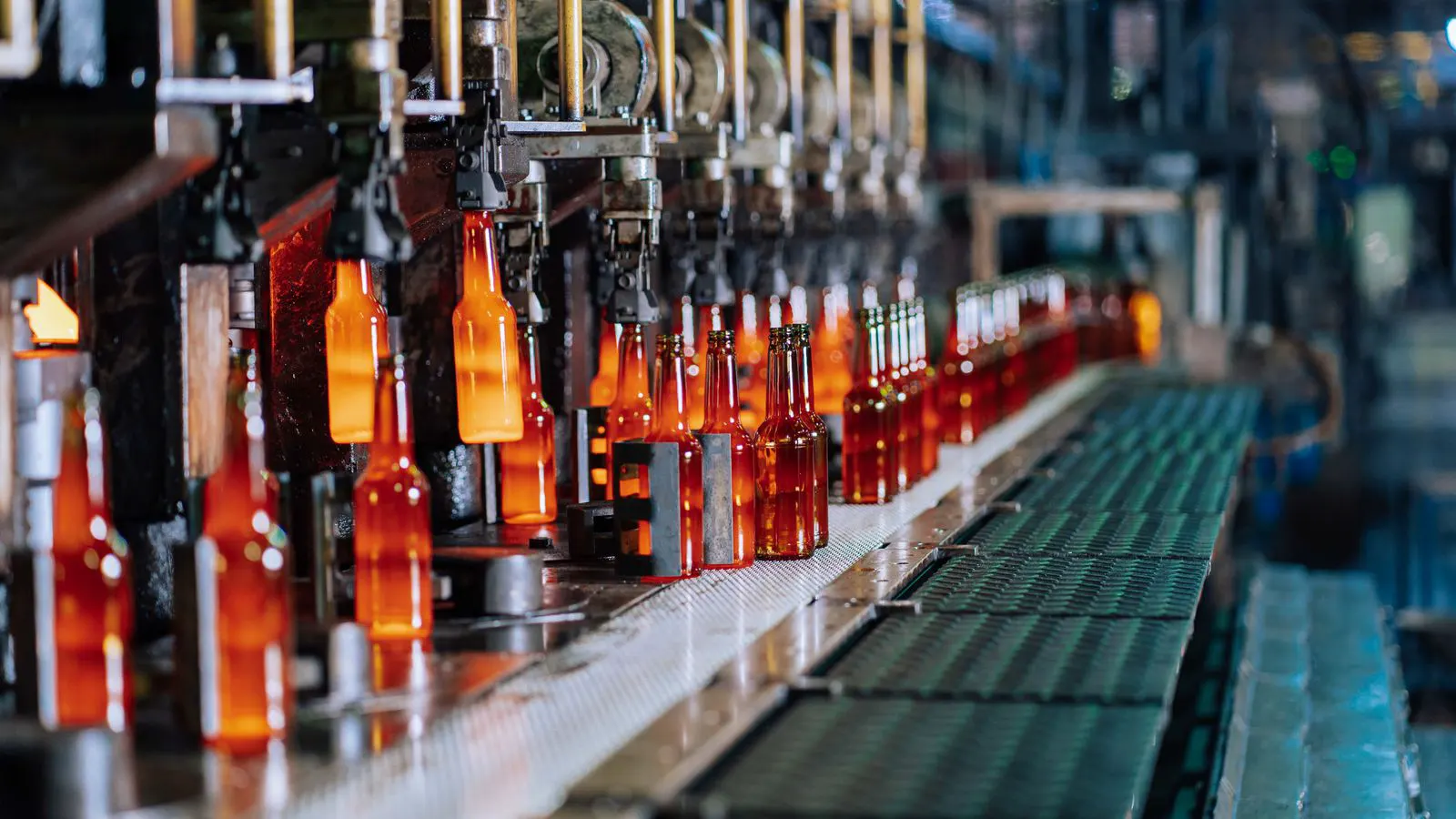
Lowering cosmetic MOQ without raising unit price is possible when you adjust packaging, simplify formulas, and negotiate volume commitments. Focus on manufacturing costs

Pigment separation in liquid lipsticks stems from poor dispersion, solvent imbalance, or unstable emulsions. Correct the cause by adjusting grind size, surfactant
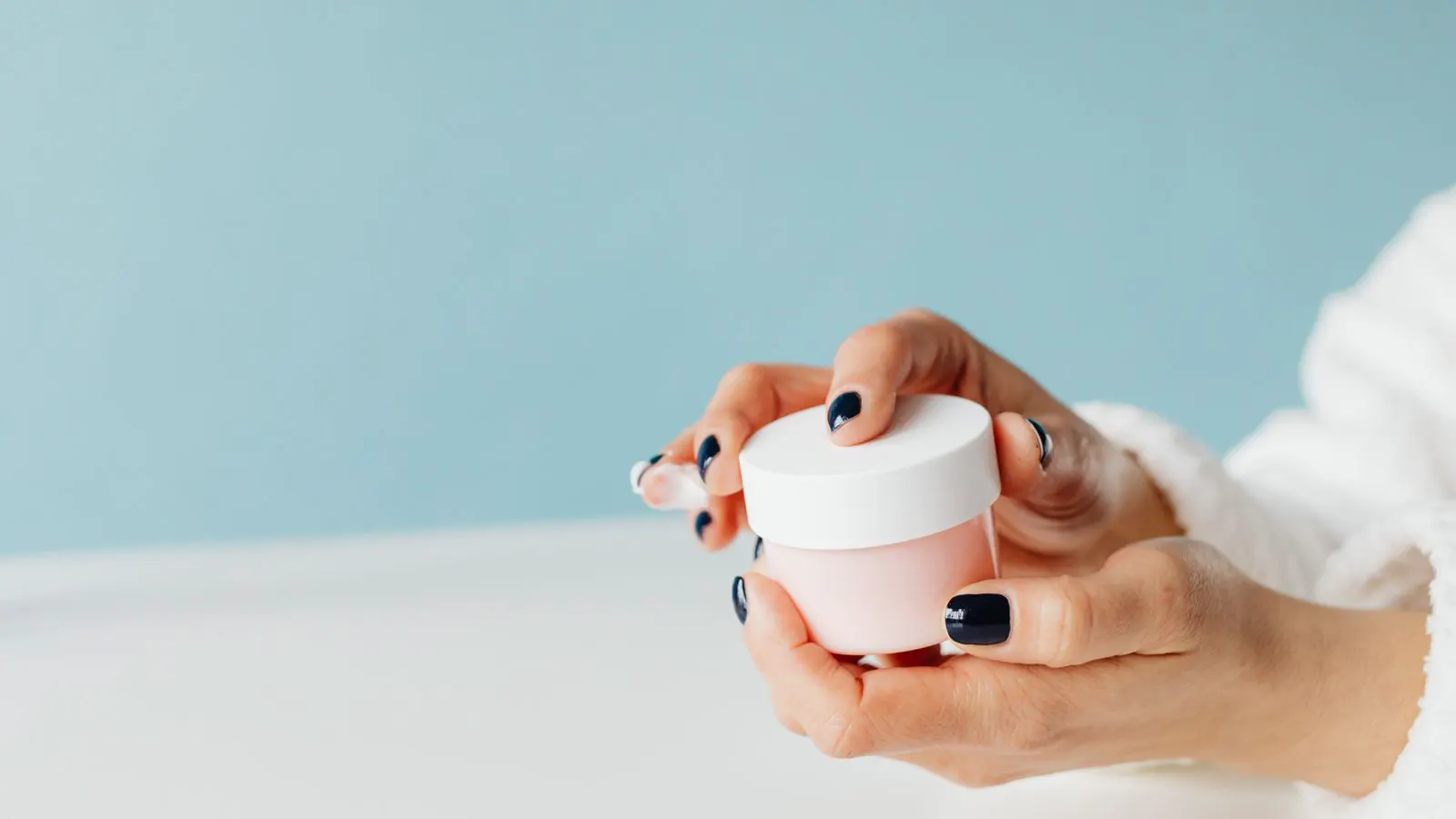
Skincare cream separation usually traces to emulsion instability, poor storage conditions, or packaging stress. This guide identifies symptoms, isolates likely causes
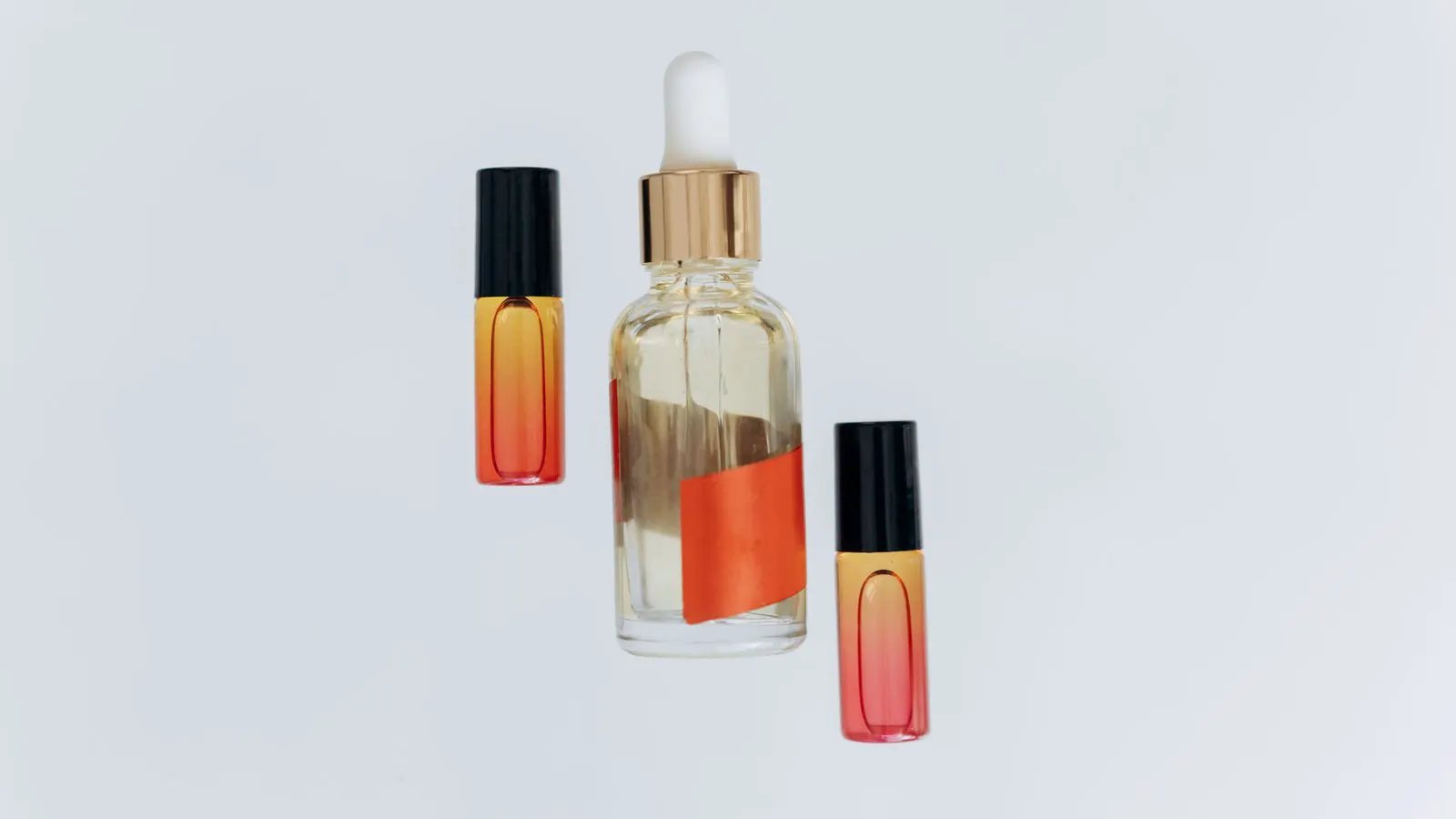
Cosmetic packaging choices depend on function, safety, and cost. Glass offers stability and luxury. Plastic provides weight and flexibility. Metal delivers durability
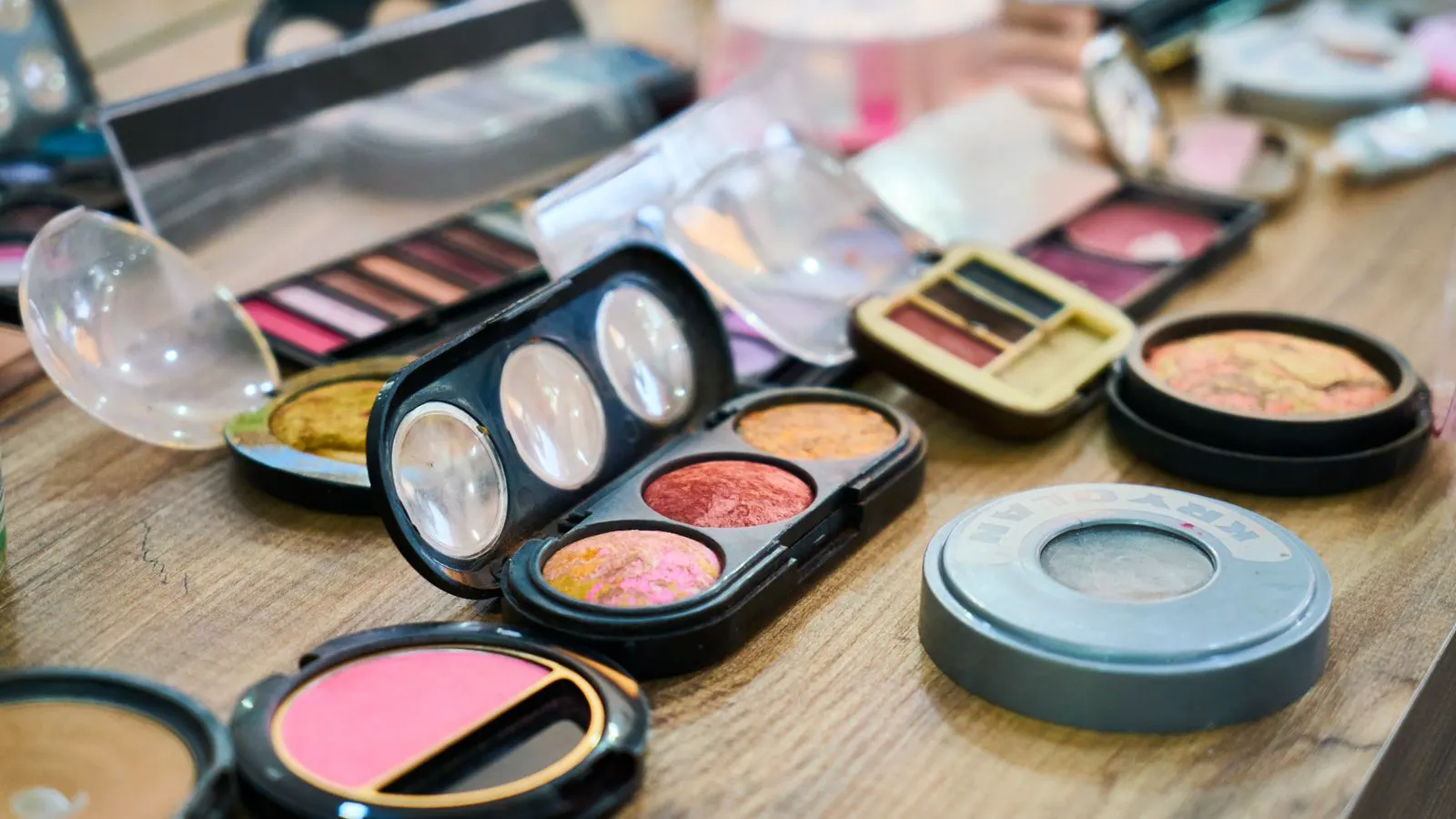
Cosmetic ingredients are selected by their functional role in a formulation. This guide explains how to categorize raw materials by purpose, evaluate suppliers, and
This site supports buyers preparing to source skincare, makeup, and personal care products from OEM and ODM manufacturers. It covers formulation, packaging, regulatory compliance, cost structures, and supplier evaluation in plain terms.
Readers can use the content to compare options, understand technical specifications, and prepare for supplier meetings. The focus is on decisions that affect product quality, cost, and time to market.
OEM manufacturing produces products based on the buyer's specifications and brand. ODM manufacturing provides ready-made formulations and packaging that buyers can rebrand or customize.
Requirements vary by region. Common documents include ingredient lists, safety assessments, manufacturing licenses, and certification of conformity. Buyers should confirm local requirements before sourcing.
Lower MOQs often result in higher per-unit costs due to smaller production runs. Higher MOQs reduce unit cost but increase inventory risk. Buyers should balance cash flow against price savings.
Standard checks include raw material inspection, in-process testing, stability testing, and final product release testing. Buyers should specify which checks are required in the contract.
Development timelines vary by product complexity. Simple formulations may take weeks. Complex products with new ingredients or packaging may take several months. Regulatory filing can add time.
Buyers should verify manufacturing licenses, audit reports, sample quality, and references. They should also confirm production capacity, lead times, and quality control processes in writing.