Cost and Lead Time for Cosmetic OEM Batch Production
Cosmetic OEM cost and lead time depend on formulation complexity, packaging, certification, and production volume. A clear RFQ and standardized comparison methods help buyers receive accurate quotes and plan production schedules effectively.
- Formulation complexity and packaging type drive most of the variable cost.
- Lead time includes raw material sourcing, formulation development, and regulatory review.
- A detailed RFQ with specific quantities and certifications reduces quote discrepancies.
- Comparing quotes requires aligning scope, materials, and testing requirements.
- Production volume changes unit cost but may increase minimum order requirements.
Cosmetic OEM cost is not a single number. It changes based on the formula, the container, the testing requirements, and the quantity you plan to produce. Many buyers receive quotes that seem far apart and wonder if one factory is simply cheaper. Usually, the difference comes from a mismatch in scope. One quote includes glass jars and full stability testing. Another assumes plastic tubes and only basic microbial checks.
This guide breaks down what drives price and delivery time in batch production. It covers how to write a clear request for quotation and how to compare quotes fairly. The goal is to remove ambiguity so you can make a decision based on actual production parameters.
What drives the base price of a batch?
The base price of a cosmetic OEM batch comes from material costs and production overhead. Raw materials include active ingredients, bases, preservatives, and fragrances. Some ingredients are sourced globally. Others are produced regionally. The sourcing path affects price and delivery time.
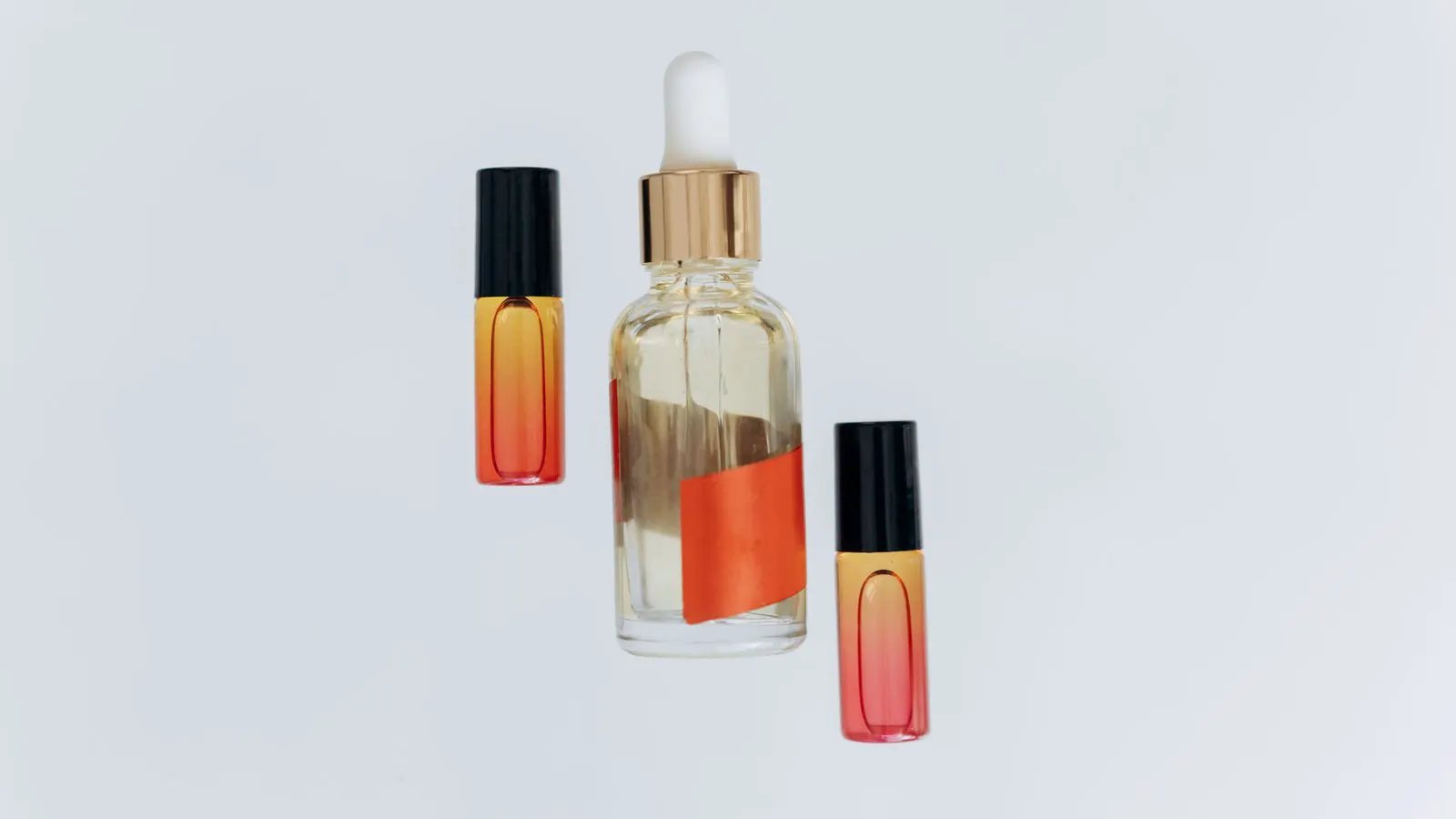
Packaging adds a second major cost layer. Glass, aluminum, and plastic each have different procurement profiles. Glass requires careful handling and often arrives in smaller quantities due to weight. Aluminum offers a good balance of durability and cost. Plastic is the most flexible but has its own sustainability and recycling considerations. The shape, size, and finish of the container all influence the price.
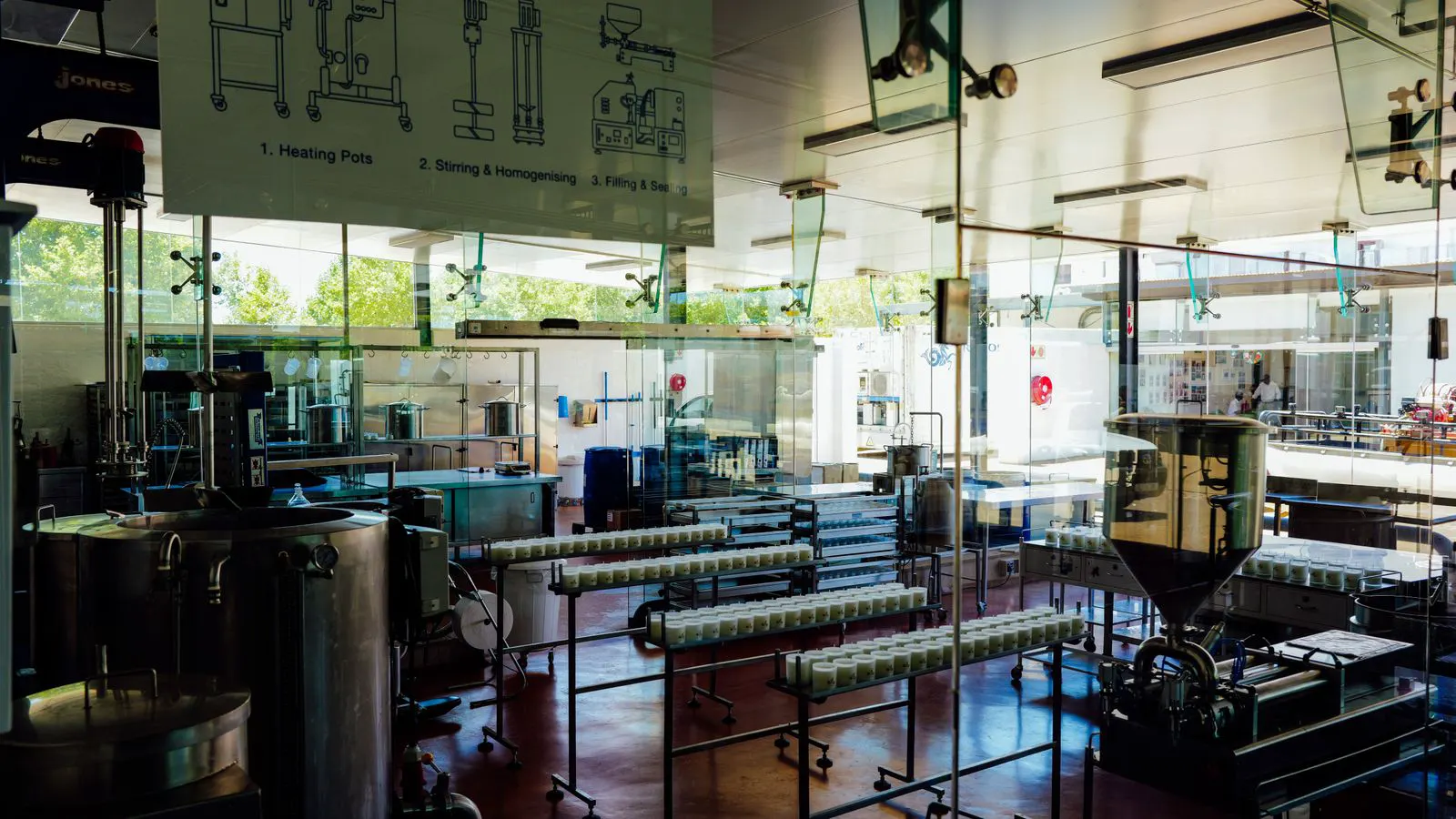
Labor and facility costs are usually stable within a given region. However, the complexity of the process matters. A simple lotion in a pump bottle is faster to produce than a serum with a dropper and a complex preservative system. The more steps involved in filling, capping, and labeling, the higher the production cost.
Quality control is another cost driver. Every batch requires incoming inspection of raw materials. During production, operators check viscosity, pH, and fill weight. Finished goods undergo final inspection for appearance and label placement. If you request third-party testing or stability studies, these costs add to the final price.
How does batch production affect pricing?
Batch production refers to making a fixed quantity of product in one run. The size of that batch changes the unit cost. Larger batches usually lower the cost per unit because setup and labor are spread over more products. However, they also increase the capital tied up in inventory.
There is a minimum order quantity for many facilities. If you ask for a small trial batch, the per-unit price will be higher. The factory covers the same setup costs for a smaller number of units. As you scale up to larger production runs, the cost per unit drops.
Lead time is closely tied to batch size. A small batch can move through the facility quickly. A large batch requires more raw materials and more time in the production lines. If the facility is running other clients’ orders, your batch waits in a queue. This is why lead time estimates must account for the factory’s current workload.
What determines the lead time from start to finish?
Lead time is the total duration from the start of formulation development to the delivery of finished goods. It is not just production time. It includes several distinct phases.
- Formulation development and approval. This phase can take weeks or months. It involves creating the formula, running stability tests, and finalizing the ingredient list.
- Regulatory review and certification. This step depends on your target market. Some regions require specific safety assessments or notifications before production can begin.
- Raw material procurement. Key ingredients may have long lead times. If a specific active ingredient is out of stock, the timeline extends.
- Packaging production or sourcing. Custom labels or special containers add time. Printing and quality checks for packaging take time.
- Production and quality control. This is the actual filling and testing phase.
- Logistics and shipping. Export documentation, customs clearance, and transit time add to the final delivery date.
The longest lead time often comes from regulatory review or raw material sourcing, not from the filling process itself.
How to write a clear RFQ
A vague request leads to a vague quote. If you ask for “a lotion” without specifying the base, volume, or quantity, the factory will guess. They may use their standard formula and a standard bottle. The resulting quote may not match your actual needs.
A clear request for quotation should include the following details.
- Product type and description. Specify the texture, target skin type, and key claims.
- Target quantity. State the number of units per batch and the total annual volume.
- Packaging specifications. Include container type, size, material, and any custom colors or finishes.
- Regulatory requirements. List the certifications or standards required in your market.
- Testing requirements. Specify which tests you want, such as stability, challenge, or compatibility.
- Timeline. State your target launch date.
- Incoterms. Define whether the price is ex-works, on-board, or delivered to your warehouse.
The more specific your RFQ, the more comparable the quotes become. You avoid paying for testing or packaging you do not need. You also avoid surprises when the scope changes later.
How to compare quotes fairly
Comparing quotes is difficult when the scope differs. One factory may include the safety assessment in the price. Another may quote it separately. One may use a standard pump. Another may use a premium pump. To compare fairly, you need to normalize the quotes.
Create a comparison table. List each line item separately. Raw materials, packaging, testing, and labor. If one factory includes a specific ingredient and another does not, adjust the price accordingly. Look at the total cost of ownership, not just the unit price. A slightly higher unit price with a shorter lead time may be more valuable than a lower price with a six-month delay.
Check the assumptions in the quote. What happens if you change the quantity? What happens if you want a different bottle? Are there setup fees for small batches? Are there surcharges for express production? Understanding these variables helps you plan for future changes.
Cost drivers at a glance
The table below summarizes the main factors that influence price and delivery.
| Cost Driver | Impact on Price | Impact on Lead Time |
|---|---|---|
| Formulation complexity | Higher for complex actives | Longer due to testing |
| Packaging material | Glass and aluminum cost more | Custom molds take longer |
| Batch size | Larger batches lower unit cost | Larger batches take longer |
| Regulatory testing | Adds fixed cost | Depends on lab availability |
| Logistics | Varies by distance | Includes transit time |
| Quality control | More tests increase cost | More inspection time |
Managing cost and schedule in practice
Managing the cost and schedule of a cosmetic OEM project requires active communication. Set milestones with your supplier. Agree on when the formula is approved, when packaging is confirmed, and when production starts. Hold regular check-ins. If a raw material is delayed, address it early.
Budget for contingencies. Prices for raw materials fluctuate. Shipping costs change. Regulatory requirements can update. Build a buffer into your timeline and budget. This does not mean wasting money. It means avoiding delays that cost you sales opportunities.
You also need to consider the total cost of the product. The cost of the formula and container is only part of the picture. Marketing, distribution, and retail margins all affect the final price. If the OEM cost is too high, you may need to adjust the formula, simplify the packaging, or increase the batch size to improve margins.
By understanding the cost drivers and lead time factors, you can make informed decisions. You can ask better questions. You can compare quotes on equal footing. You can plan your production schedule with confidence. The result is a product that reaches the market on time and within budget.
Frequently asked questions
What is the difference between OEM and ODM pricing?
OEM pricing is based on your specific formula and packaging. ODM pricing uses the supplier's existing formulas. ODM is usually cheaper and faster because development is already done.
Can I reduce cost by increasing the batch size?
Yes. Larger batches spread fixed costs over more units. However, they tie up more capital in inventory and require larger storage space.
How long does regulatory review take?
It depends on the target market. Some regions require simple notifications. Others require full safety assessments and lab testing. This phase can take weeks or months.
What is the most common reason for lead time delays?
Raw material shortages and regulatory review are the top causes. Production delays are less common if the facility is well-managed.
How should I structure my RFQ to get accurate quotes?
Include specific details about the formula, packaging, quantity, and testing requirements. Avoid vague descriptions. Provide exact specifications and target timelines.