How to Reduce Cosmetic MOQ Without Raising Unit Price

Lowering cosmetic MOQ without raising unit price is possible when you adjust packaging, simplify formulas, and negotiate volume commitments. Focus on manufacturing costs that scale differently from production pricing.
- Lower minimum order quantities when you simplify packaging formats and reduce custom labeling complexity.
- Accept longer production lead times or staggered deliveries to keep unit costs stable.
- Align your cosmetic MOQ with actual inventory needs, not supplier default limits.
- Use a clear RFQ to compare manufacturing costs and production pricing fairly.
- Negotiate volume commitments instead of paying for immediate low MOQ flexibility.
Can you reduce cosmetic MOQ without raising unit price?
Yes, but only if you change what the supplier has to prepare, produce, and pack. A cosmetic MOQ is rarely a fixed number. It is a result of tooling, packaging, labor, and material lead times. If a supplier says a 500 unit order costs more per unit than a 1000 unit order, the extra cost usually comes from setup, not from the cream or lotion itself.
The goal is not to force a supplier to accept a tiny order. The goal is to remove the cost drivers that exist only because of low volume.
What drives manufacturing costs in cosmetic production?
The cost of making a cosmetic product is not one number. It is a stack of costs that behave differently at small and large quantities. Some costs stay the same no matter how many units you order. Others drop quickly. Others stay flat because they are tied to machine time or labor time.
The main cost drivers are:
- Raw material procurement
- Equipment setup and changeover
- Packaging components
- Labeling and printing
- Quality testing
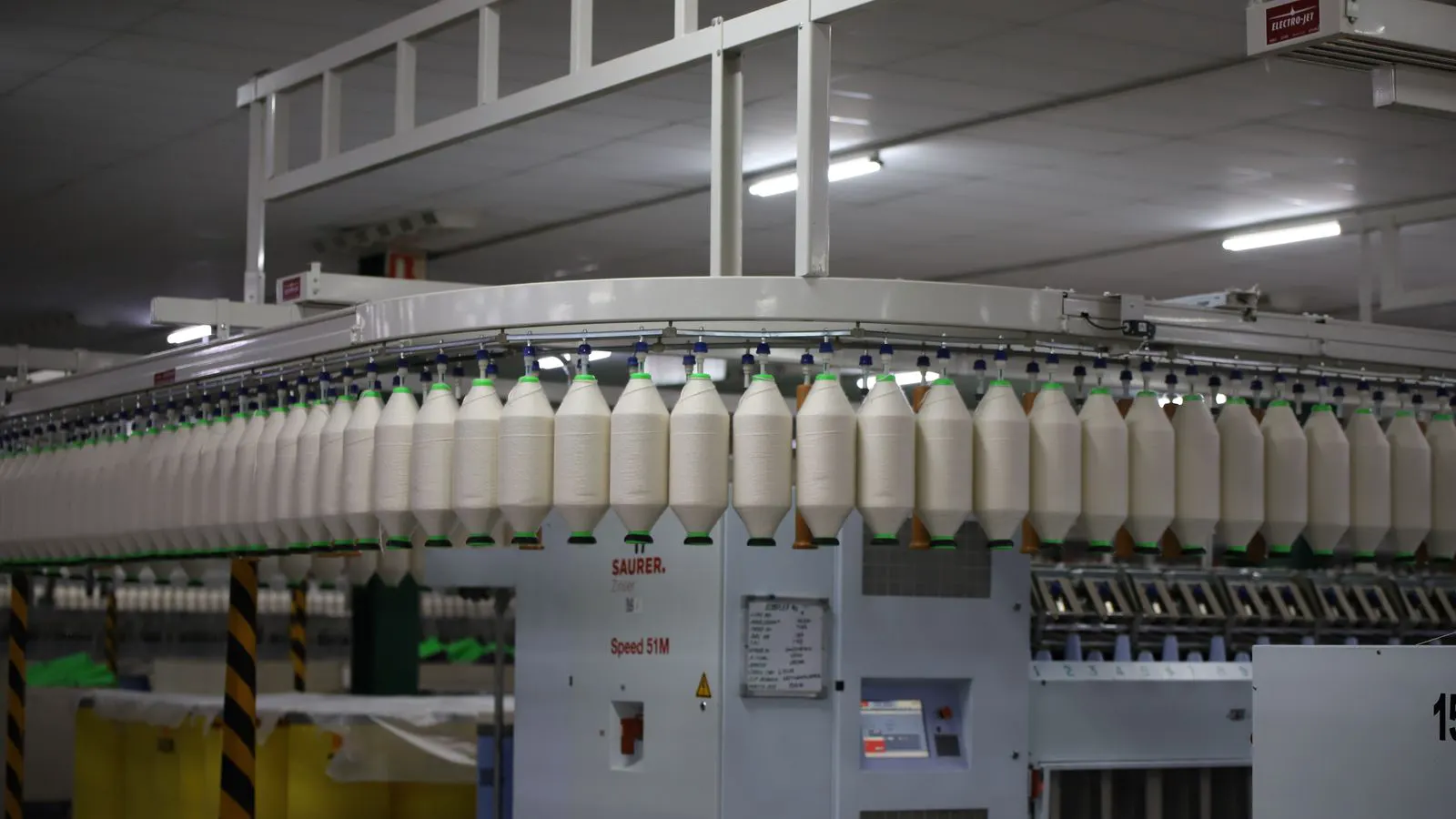
- Labor and machine time
When you lower the cosmetic MOQ, you do not reduce the number of steps. You reduce the number of units that share those steps. That is why the per unit cost rises. The fix is to reduce the fixed steps or make them smaller.
How packaging changes lower the MOQ threshold
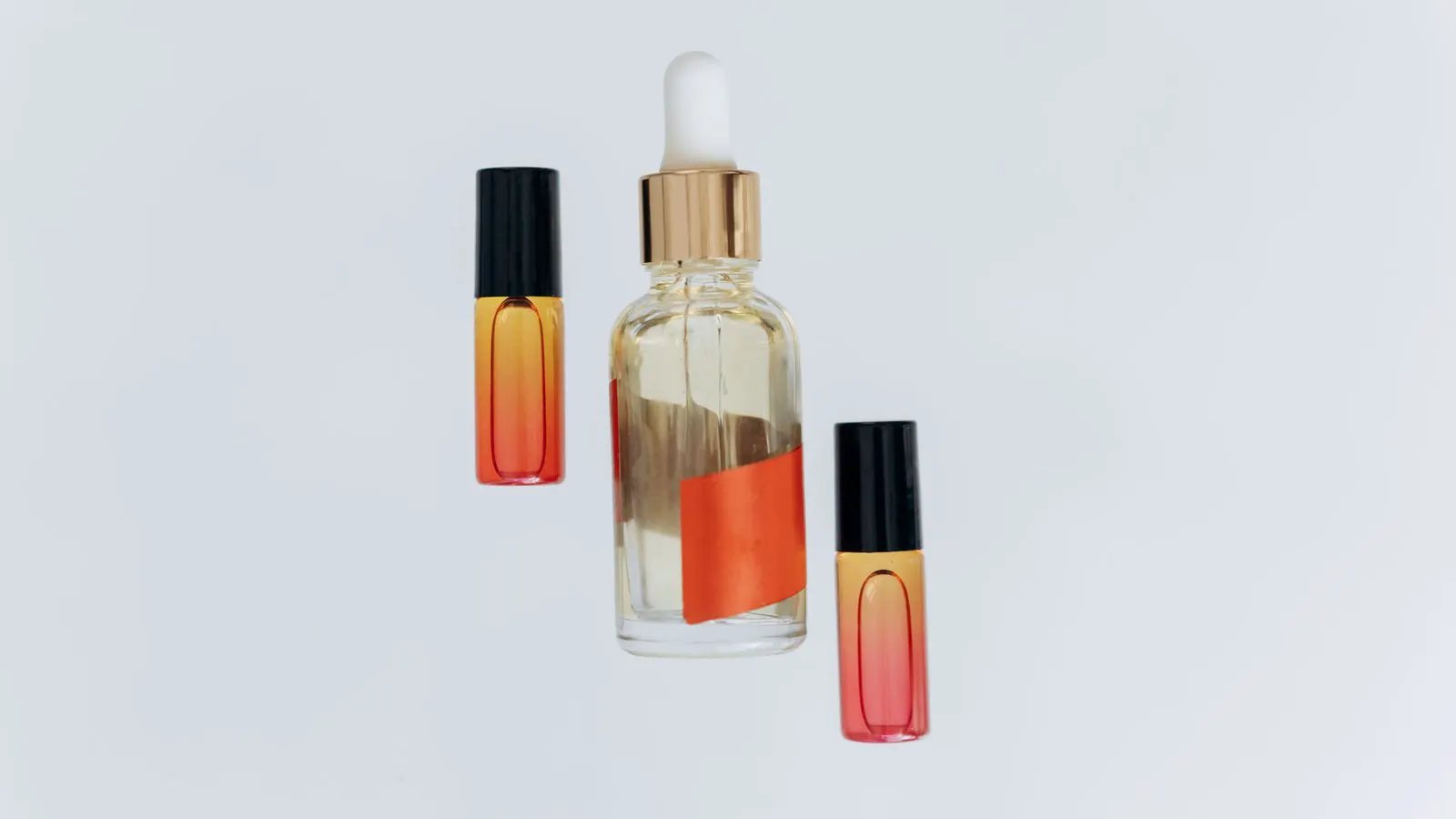
Packaging is the biggest reason low quantity orders cost more. A custom bottle, jar, or pump may require a minimum order quantity from the packaging supplier. If the packaging supplier needs 2000 units, and you only need 500, you either pay for excess inventory or pay a surcharge.
You can lower the MOQ by changing the packaging format. Use standard shapes and sizes. Choose a supplier who stocks common containers. Avoid custom colors unless you can absorb the extra cost.
A practical approach is to use a base container that is already in production. Add a custom label for your brand. This keeps the container MOQ low. The label MOQ is usually much lower because labels print on rolls and can be produced in small batches.
If you need a custom shape, ask for a sample first. The sample cost is not the same as production cost. A sample may take weeks, but it does not force you to buy 1000 units. You can use the sample to confirm fit, feel, and fill volume before committing to a larger order.
How formula simplification affects production pricing
A complex formula creates extra cost at low volume. More ingredients mean more weighing, more mixing time, and more quality checks. A simple formula with fewer active ingredients and fewer excipients is faster to produce.
If your product is a basic lotion, cream, or serum, the formula may already be simple. If it includes multiple actives, preservatives, and special textures, the production line spends more time per batch.
You can lower the MOQ by splitting the order. Instead of producing one complex formula in one batch, produce two simpler formulas. This is not always possible, but it reduces the chance of a failed batch. A failed batch at low volume is expensive because you lose both material and labor.
Another option is to use a standard base formula from the supplier. Many OEM and ODM suppliers keep common bases in stock. A standard base lowers the cosmetic MOQ because the supplier does not need to source rare raw materials. You still get your brand through packaging and labeling.
How to write a clear RFQ for a lower cosmetic MOQ
A vague RFQ gets a vague quote. If you ask for a lower MOQ without explaining your product, packaging, and timeline, the supplier will quote the safest option. That usually means a higher unit price.
Your RFQ should include:
- Product type and expected volume range
- Packaging format and custom requirements
- Labeling scope
- Target unit price
- Order date and delivery date
- Payment terms
- Quality testing requirements
- Any regulatory documentation you need
If your target is a low MOQ, say so in the RFQ. Write: “We are looking for a 500 unit first order, with a plan to reorder in 3 months.” This changes the conversation. The supplier can adjust packaging, batch size, and labor scheduling.
Do not ask for a 500 unit order at a 10000 unit unit price. That is not a fair comparison. Ask for the unit price at 500, 1000, and 2000 units. Then compare the gap. If the gap is small, the lower MOQ may be worth it. If the gap is large, the supplier is absorbing a real cost.
How to compare quotes fairly
Suppliers quote differently. One quote may include a custom bottle. Another may include a standard bottle. One may include testing. Another may exclude it. You need to compare the same scope.
Use a simple table to compare quotes:
| Cost Driver | What to Check | Why It Matters |
|---|---|---|
| Raw materials | List of ingredients, origin, and substitution options | Rare ingredients raise cost and delay delivery |
| Packaging | Custom vs standard, MOQ from packaging supplier | Custom packaging is the biggest MOQ driver |
| Labeling | Print runs, finishing, and application method | Small label runs cost more per unit |
| Testing | In-house vs third party, report scope | Third party testing adds time and cost |
| Labor and machine time | Batch size and changeover time | Small batches use more machine time per unit |
| Lead time | Production start date and delivery date | Long lead time may mask a higher unit price |
Do not compare the total price only. Compare the cost per unit at your actual order size. A supplier with a higher unit price may be cheaper if their lead time is shorter and their quality pass rate is higher.
How lead time and MOQ are connected
A shorter lead time usually means a higher unit price. The supplier must hold raw materials, reserve machine time, and pay labor to start production quickly. If you can accept a longer lead time, the supplier can schedule your order around other jobs. This lowers the unit price.
You can also stagger delivery. Order 500 units now and 500 units in two months. The first order covers your initial launch. The second order covers growth. This keeps your cosmetic MOQ low without forcing one large production run.
If you need a fast launch, pay for it. But do not pay for speed you do not need. A four week lead time may be enough for a small online launch. A twelve week lead time may be better for a retail launch with a larger inventory.
How to negotiate without raising unit price
The supplier is not trying to trap you. They are trying to cover their costs. When you ask for a lower MOQ, they see a higher cost per unit. The negotiation is about finding a way to reduce that cost.
Ask for a cost breakdown. Not a list of prices. A breakdown of where the cost comes from. If the cost is in packaging, you can change the packaging. If the cost is in testing, you can reduce the test scope. If the cost is in labor, you can change the order size.
A good negotiation is not about finding a discount. It is about finding a different structure. You can agree on a higher unit price for the first order and a lower unit price for the next three orders. This gives the supplier a volume commitment. It gives you a lower starting MOQ.
You can also agree on a minimum purchase over a period. Instead of buying 500 units today, you commit to 2000 units over six months. The supplier can plan production. You can order in smaller batches. This is often better than paying a high unit price for a single low order.
Common mistakes that raise the unit price
The most common mistake is changing packaging after the quote. You start with a standard bottle, then ask for a custom color. This changes the packaging MOQ. The unit price rises.
The second mistake is adding too many custom labels. Each label design, size, and material adds cost. Keep the label scope tight for the first order.
The third mistake is asking for too many tests at low volume. A full stability test is useful, but it is not always necessary for a first order. Ask the supplier what testing is required for your market and product type. Do not add tests that are not required.
The fourth mistake is comparing quotes without checking lead time. A lower unit price with a three month lead time may be worse than a slightly higher unit price with a six week lead time.
When a higher unit price is the right choice
Sometimes a higher unit price is the correct decision. If your product is complex, uses rare ingredients, or needs special packaging, the unit price will be higher at low volume. That is not a mistake. It is the cost of producing a small batch.
If you are launching a product with a high margin, a higher unit price may still leave you with a healthy margin. If you are selling at a low price point, a high unit price may make the product unprofitable. In that case, you need to change the product, the packaging, or the order size.
The decision is not about what the supplier can do. It is about what your business can support. A lower cosmetic MOQ is useful when you are testing a product, launching in one market, or building inventory slowly. It is less useful when you already have a proven product and need to scale.
The cost and lead time guide is simple. Write a clear RFQ. Compare quotes with the same scope. Negotiate structure, not just price. And keep your packaging and formula as simple as possible for the first order.
Frequently asked questions
Can I order 500 units of a cosmetic product without paying more per unit?
Sometimes. If you use standard packaging and a simple formula, the unit price may stay close to the price at 1000 units. If you need custom packaging, the unit price will likely rise.
Does a lower MOQ always mean a longer lead time?
Not always. A lower MOQ can have a shorter lead time if the supplier already has the materials and machine time available. It can also have a longer lead time if the supplier must source custom components.
How do I know if a supplier is padding the unit price?
Ask for a cost breakdown and compare quotes with the same packaging, labeling, and testing scope. If the gap between 500 and 1000 units is large, ask what is driving the difference.
Can I commit to a larger order later to lower the first order cost?
Yes. A multi order commitment can lower the unit price for the first order. The supplier can plan production and material purchase. You can still order in smaller batches.
Is a higher unit price at low MOQ always a bad sign?
No. A higher unit price is normal at low volume. The problem is when the price is higher because of unnecessary complexity, such as custom packaging or extra testing that is not required.