Lipstick Manufacturing Cost Structure and Lead Times
Lipstick production costs depend on raw materials, manufacturing labor, packaging, and compliance testing. Lead times vary based on customization, minimum order quantities, and factory capacity. A structured RFQ and clear quote comparison help buyers secure accurate pricing and schedules.
- Raw materials, labor, and packaging form the core cost structure of lipstick production.
- Lead times extend with complex formulas, custom packaging, and regulatory documentation.
- Clear RFQs reduce quote discrepancies and speed up factory response.
- Compare quotes by itemizing labor, material, and overhead to reveal true pricing.
- Buffer time for quality control and logistics is standard in professional sourcing.
What drives lipstick production costs?
The cost of producing lipstick is shaped by four main areas. Raw materials, manufacturing labor, packaging, and compliance testing. Each area affects the final price per unit. The exact mix depends on formula complexity, order volume, and target market.
Raw materials often make up the largest portion of direct costs. Pigments, waxes, oils, and emollients all have different price points. High-end pigments cost more than standard colorants. Natural ingredients also carry a premium compared with synthetic alternatives. Formulation complexity adds cost. A simple matte lipstick uses fewer components than a long-wear formula with multiple stabilizers.
Labor costs vary by region and factory setup. Skilled technicians are needed for formula development, blending, and filling. Automation reduces per-unit labor costs but requires higher upfront equipment investment. Small factories may charge more per unit due to less efficient production runs.
Packaging is a major visible cost. Metal tubes, cases, and caps have different material options. Aluminum, steel, and plastic each affect price and feel. Custom colors and engraving increase packaging costs. The inner core of the lipstick, which is the actual product, sits inside the casing. If the casing is custom, tooling costs apply.
Compliance testing adds another layer. Stability tests, microbial checks, and regulatory filings are required for export. These costs are often fixed per batch rather than per unit. They do not scale down with larger orders. Buyers should account for these in their total cost per unit.
How do lead times affect lipstick production schedules?
Lead times for lipstick production depend on the order type. Standard products with existing formulas move faster. Custom formulas require time for development, testing, and approval. The typical schedule for a new formula includes several weeks.
The raw material sourcing phase can extend the timeline. Some pigments or specialty oils may have longer supplier lead times. Factories must confirm material availability before starting production. If a buyer requests a specific ingredient, the factory may need to source it from a third party. This adds days or weeks to the schedule.
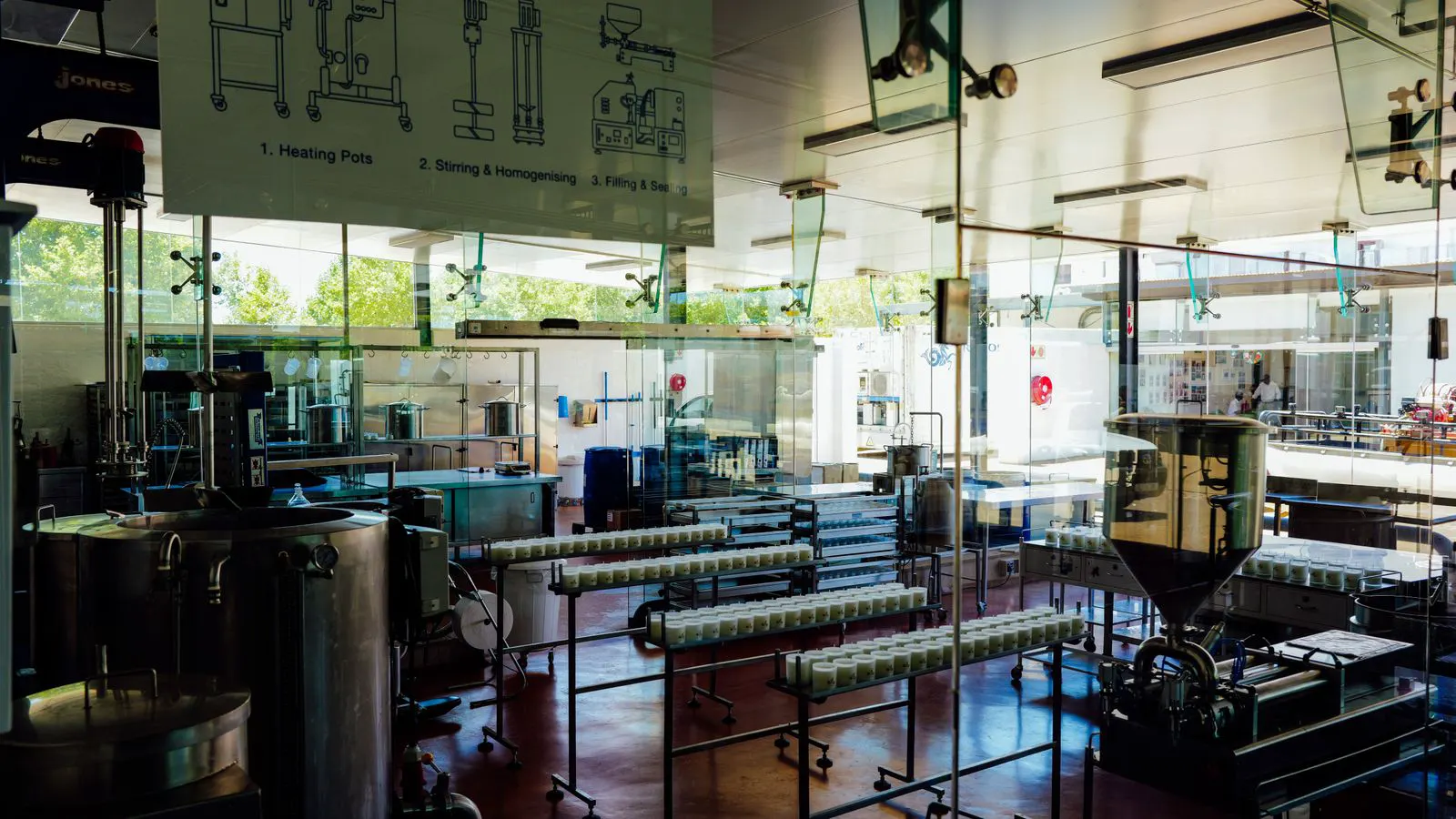
Manufacturing itself usually takes a shorter period than development. Filling machines operate on a continuous basis. Once the formula is ready, production can run in batches. The number of units per batch affects the production duration. Small orders may take longer per unit because machines are less efficient at low volumes.
Quality control is a fixed part of the schedule. Every batch requires inspection. Visual checks for color consistency, texture, and filling level are standard. Lab tests may be required for new formulas or new markets. These tests take time and must be completed before shipment.
Logistics adds the final stretch. Shipping by sea takes longer than air freight. Customs clearance depends on the destination country. Documentation, such as certificates of analysis and compliance files, must be prepared in advance. Delays in paperwork are a common cause of missed delivery dates.
How to write a clear RFQ for lipstick production
A clear Request for Quotation reduces back-and-forth with suppliers. It helps factories provide accurate pricing and realistic lead times. The RFQ should include the product specification, quantity, target market, and compliance requirements.
Start with the formula type. Specify whether the buyer wants a stock formula or a custom development. If custom, describe the desired finish, wear time, and ingredient preferences. Mention any restrictions, such as no parabens or no animal testing. This information helps the factory select the right raw materials.
Define the packaging requirements. Provide dimensions, material preferences, and any customization needs. Include a mockup or reference image if available. Custom packaging requires tooling, which takes time and money. The RFQ should state whether the buyer will supply the packaging or if the factory will source it.
State the quantity and order frequency. Lead times and pricing differ for a one-time order versus a recurring contract. Larger orders usually get better per-unit pricing. The factory needs this information to plan production slots and material purchases.
List the regulatory requirements. Name the target market. Different regions have different labeling, ingredient, and testing rules. For example, some markets require specific allergen declarations or stability data. Including this in the RFQ prevents late-stage changes that delay the project.
How to compare quotes fairly
Factories may present quotes in different formats. Some include all costs in a single number. Others itemize labor, materials, and overhead. To compare fairly, break each quote into its components. This reveals where the pricing differences come from.
Look at the cost of raw materials. A lower price may come from cheaper pigments or oils. This affects the final product quality and longevity. A higher price may reflect premium ingredients that improve performance. The buyer should evaluate the value, not just the cost.
Check the labor and overhead rates. A factory with newer equipment may charge more for labor but offer faster production. An older facility may have lower labor costs but slower throughput. The total cost of ownership includes the delivery time, not just the unit price.
Review the packaging costs separately. If the factory sources the packaging, the markup may be higher. Buying the packaging directly from a supplier can save money but adds logistics complexity. The quote should clarify who is responsible for each packaging component.
Compare the compliance and testing costs. Some quotes include these as a lump sum. Others charge per test. A factory that includes standard testing in the price may have a higher base cost but lower overall expense. A quote that excludes testing may look cheaper but becomes expensive when lab fees are added.
How to manage the production schedule
Managing the schedule requires active communication with the factory. Set clear milestones for each phase. Formula approval, sample production, batch production, and final inspection each have a target date.
Confirm raw material arrival before production starts. The factory should provide a material schedule. If a key ingredient is delayed, the production start date moves. This is a common source of schedule slippage. Early confirmation of materials reduces risk.
Approve samples before mass production. The sample stage is for checking color, texture, and packaging fit. If the buyer finds issues at this stage, the factory can correct them before committing to a large batch. Changing the formula after production starts is costly and slow.
Monitor the production line. Request photos or short video updates during filling. This confirms that the process is running as expected. If there are issues with color consistency or filling levels, the factory can address them immediately.
Plan for the final inspection. The buyer should schedule a third-party inspection or perform it in-house. This happens after production but before packing. Catching defects at this stage prevents a full container of faulty product from being shipped.
Cost drivers at a glance
The table below lists the main cost drivers for lipstick production. Each factor affects the final price and the delivery timeline.
| Cost Driver | Impact on Price | Impact on Lead Time |
|---|---|---|
| Raw material quality | High | Moderate |
| Formula complexity | High | High |
| Packaging customization | High | High |
| Order quantity | Low to High | Moderate |
| Regulatory testing | Moderate | Moderate |
| Logistics method | Low | High |
How to reduce costs without sacrificing quality
Reducing costs in lipstick production requires careful balance. Cutting corners on raw materials can hurt product performance. Instead, focus on process efficiency and order planning.
Use stock formulas when possible. Custom development takes time and money. If the desired look can be achieved with an existing formula, the project moves faster and costs less. The buyer can adjust color or scent to match their brand without changing the base structure.
Optimize packaging choices. Simple designs with standard materials reduce tooling costs. Custom shapes and finishes are expensive. If the target market values premium feel, invest in better packaging. If the focus is on value, keep the design clean and functional.
Plan orders in advance. Factories schedule production slots based on confirmed orders. Rush orders often carry a premium. Planning six to eight weeks ahead allows the factory to source materials and reserve equipment. This reduces the risk of expedited shipping fees.
Negotiate long-term contracts. Regular orders give the factory stability. In return, the buyer can lock in pricing and secure priority production slots. This is especially useful for seasonal products or steady retail lines.
Frequently asked questions
What is the biggest cost factor in lipstick production?
Raw materials and packaging are usually the largest cost components. Formula complexity and compliance testing also add significantly to the total price.
How long does it take to produce a custom lipstick?
Custom lipstick production can take several weeks to a couple of months. The timeline depends on formula development, sample approval, and raw material sourcing.
Can I source standard lipstick to reduce costs?
Yes. Using an existing stock formula reduces development time and cost. The buyer can customize color and scent without changing the base structure.
What should I include in a lipstick RFQ?
Include the formula type, quantity, packaging specs, target market, and compliance requirements. This helps factories provide accurate pricing and realistic schedules.
How do I verify the quality of a lipstick batch?
Request a Certificate of Analysis and perform a visual inspection. Check for color consistency, texture, and proper filling. Third-party inspection is a reliable option.